Creating the Perfect Ambiance: A Guide to Coffee Shop Interior Design
Introduction to Coffee Shop Interior Design
Importance of Atmosphere
Creating a welcoming Coffee Shop Interior Design environment is essential for coffee shops. Let’s be honest; who doesn’t enjoy sipping a warm cup of coffee in a cozy setting? The atmosphere you cultivate can significantly impact the overall customer experience. A well-designed interior encourages people to linger, chat, or work, turning a simple coffee run into a delightful outing.
Moreover, the ambiance plays a vital role in establishing your brand identity. Are you a trendy spot catering to young professionals, or a warm, inviting space for families? The choices you make in your interior design will reflect that identity, resonating with your target audience.
Key Design Principles
When designing your coffee shop, it’s all about finding the right balance between functionality and aesthetics. You want your space to look pleasing but also function effectively. Comfort should be a priority, as patrons will be spending time at tables or in lounges, yet style shouldn’t be neglected. Striking a balance can lead to inviting design choices.
Flexibility in space usage is another principle to consider. Perhaps you want to host open mic nights or local art shows. Designing with this versatility in mind allows for quick adjustments as needed, ensuring that your space serves multiple purposes.
Trends in Coffee Shop Interior Design
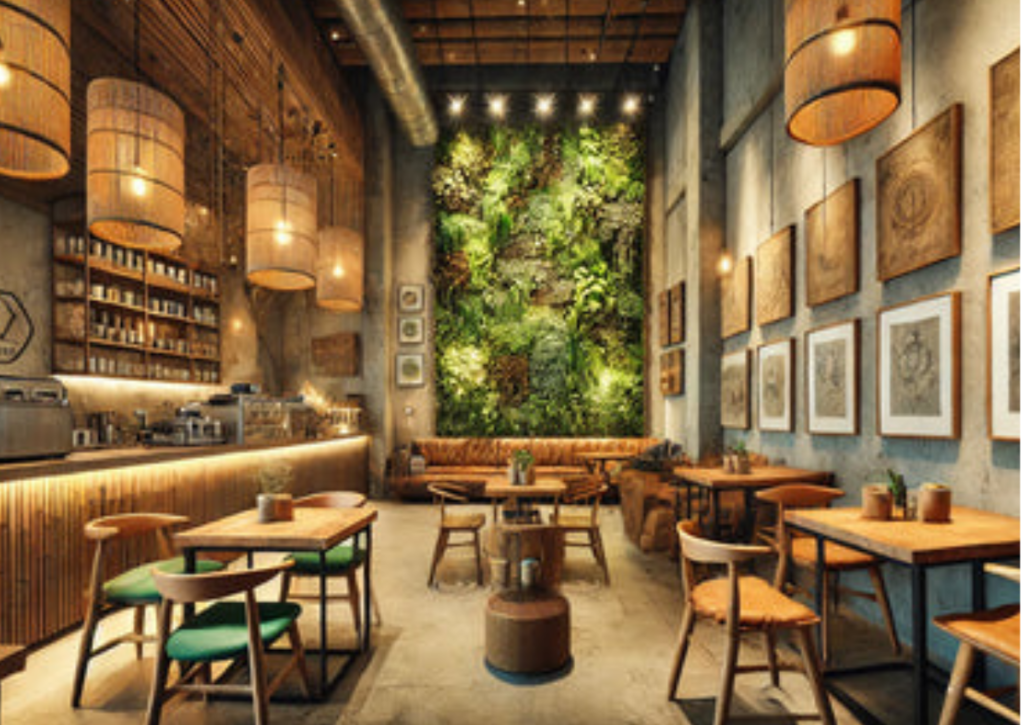
Staying current with trends can help you create a contemporary coffee shop that resonates with patrons. Today, popular themes range from industrial-chic aesthetics featuring raw materials to cozy, home-like atmospheres replete with soft textiles and warm lighting.
Additionally, drops of culture and community influence can shape your design ethos. Incorporating local art or elements that reflect the surrounding community can create a unique charm that invites people to connect.
Sustainability is also increasingly important in design choices. Many coffee shop owners are choosing eco-friendly materials and sustainable practices not only to minimize their environmental footprint but also to attract customers who value conscious consumption.
Layout and Space Planning
Functional Zoning
Functional zoning is vital in organizing your coffee shop effectively. By defining areas for different uses—like quiet nooks for reading, communal spaces for groups, or lively spots for socializing—you can enhance both form and function.
Paying attention to traffic flow will ensure that customers can move freely without bumping into each other. Separating customer areas from staff spaces can streamline operations and enhance customer satisfaction.
Seating Arrangements In Coffee Shop Interior Design
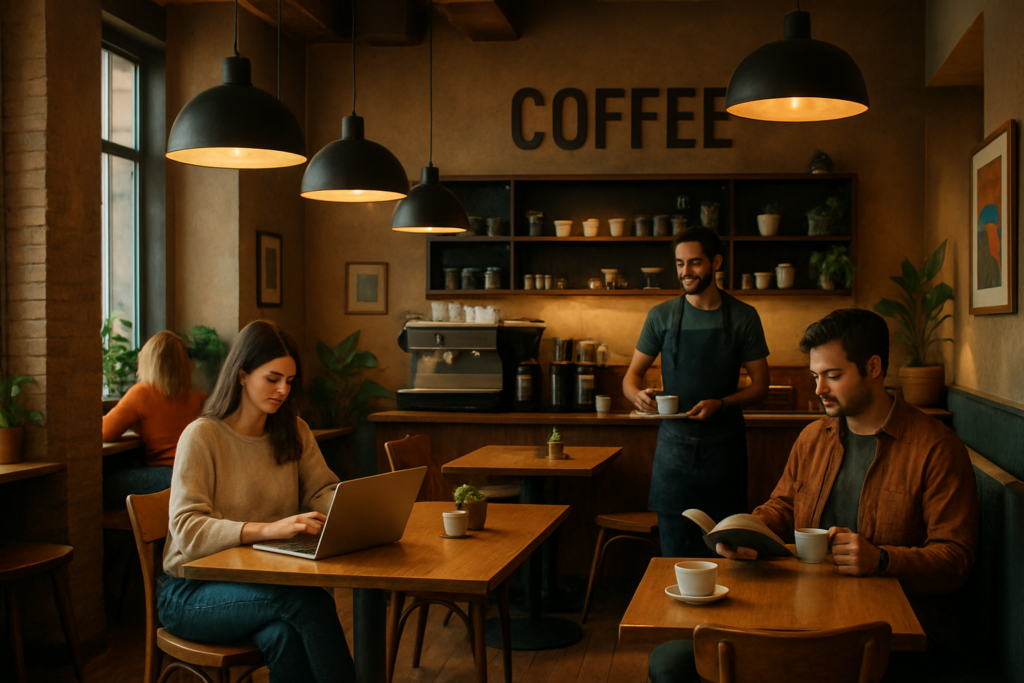
Variety in seating options can make a significant difference in how inviting your space feels. Mixing tables, booths, and communal areas can cater to various groups—from individuals looking for solitude to friends wanting to gather together.
Completing this equation means maximizing capacity without sacrificing comfort. Consider using stackable chairs or flexible furniture to change layouts easily, allowing for seasonal or event-specific adjustments.
Designing the Service Area In Coffee Shop
Effective design in the service area is crucial for efficient operations. A thoughtfully arranged barista station ensures quick service during busy hours, while attention to detail in displaying products can entice customers to try something new.
Positioning payment and pick-up stations thoughtfully can minimize congestion and enhance the overall flow of business operations.
Color and Material Selection
The Psychology of Color
Colors evoke emotions, and they can play a huge role in your coffee shop’s atmosphere. Warm tones, like coffee browns and rich reds, stimulate appetite, while calming blues and greens can foster relaxation. Combining colors thoughtfully can enhance the mood you’re seeking.
Don’t forget about your brand colors! Incorporating these into your design ensures cohesion, reinforcing your identity with every cup poured.
Material Choices
Selecting the right materials can dramatically affect both the look and feel of your coffee shop. Wood, metal, and fabric choices should balance aesthetics with durability. Customers appreciate a space that feels intentional yet lived-in, so consider low-maintenance materials that still look chic.
Eco-friendly materials have risen in popularity, aligning with modern consumer values while adding a unique flair to your shop’s design.
Texture and Patterns
Textures can create warmth and invite customers to settle in for a while. Incorporating various materials—like soft textiles, shiny metals, and rustic wood—can keep the space from feeling flat.
Patterns have their place too; whether in wall designs or furniture, subtle patterns can add visual interest without overwhelming the senses.
Lighting Design In Coffee Shop
Natural vs. Artificial Lighting
Natural light can be a game changer for your space. It brings warmth, enhances mood, and makes the interior feel more open. Designing your coffee shop to leverage daylight wherever possible can create a more inviting environment.
Control over artificial lighting is vital too. Seasonal adjustments, such as more dim lighting in winter and brighter lights in summer, can further enhance your coffee shop’s atmosphere.
Fixture Types and Their Roles
Lighting isn’t just about visibility; it’s about mood too. Understanding the roles of ambient, task, and accent lighting can fundamentally change how customers experience your space. Ambient lighting sets the overall tone, task lighting ensures functionality, and accent lighting draws attention to design features.
When choosing fixtures, remember to select styles that align with your overall aesthetic. A sleek, modern light might not fit in a rustic-themed café!
Creating Mood with Light
Employing dimmers can help create an intimate atmosphere during those evening hours, while warm color temperatures can give your shop a cozy feel during the day. Consider how your lighting choices affect mood as day turns into night, too.
Decor and Branding Elements
Art and Accessories
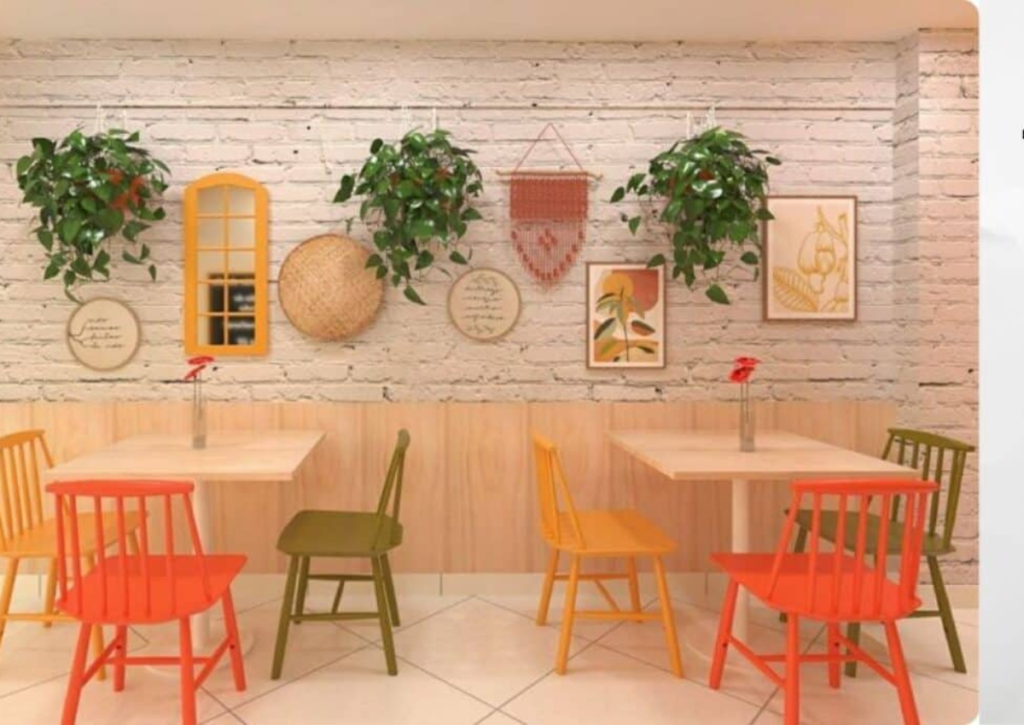
Incorporating local art into your design not only supports community artists but also helps to create a relatable and unique vibe in your coffee shop. Functional decor items, like bookshelves offering reading material or plants for a splash of greenery, can enhance appeal while serving practical purposes.
Creating focal points with art installations can draw attention and spark conversation among patrons.
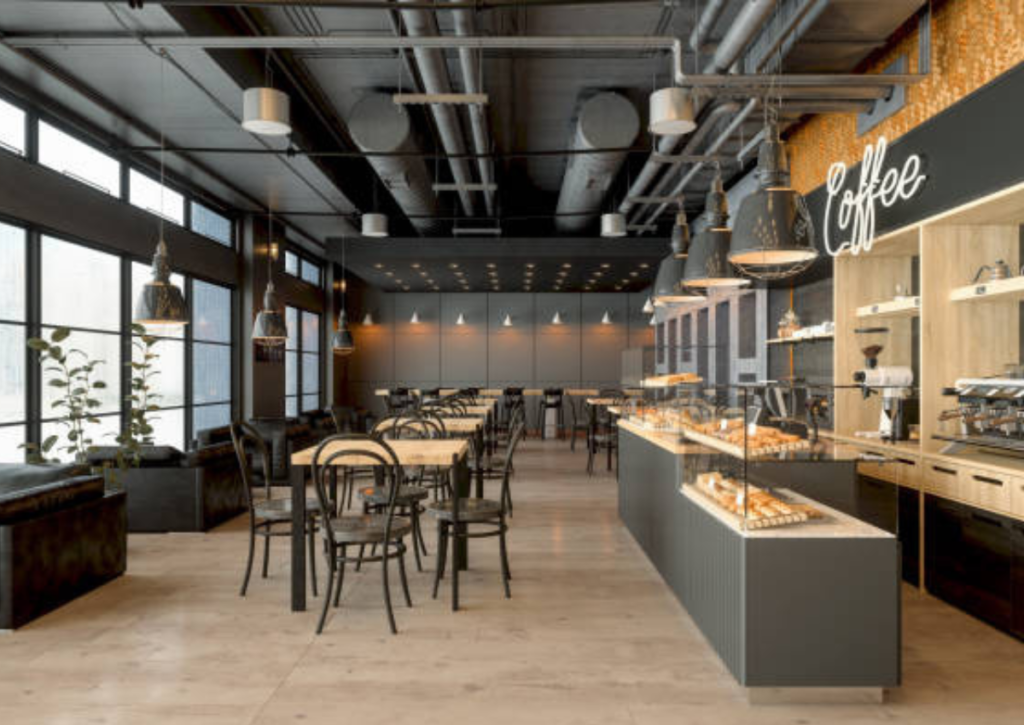
Signage and Graphics
Signage is key for guiding customers and establishing brand presence. Make sure your signage is both readable and visually appealing.
Educative graphics can help communicate menu items or drink descriptions, while promoting your coffee shop’s social media handles can engage customers further and enhance your brand’s outreach.
Maintaining Brand Cohesion
Aligning every decor element with your brand ethos ensures a cohesive space. Whether it’s through color, material, or artwork, consistency reinforces your brand identity, so customers know exactly where they are and what you represent.
This doesn’t mean you can’t evolve your design as trends change, but keeping a core identity can help to strengthen brand loyalty.
Conclusion
Attention to coffee shop interior design can significantly enhance the customer experience while contributing to your business’s success. From achieving the perfect ambiance to incorporating thoughtful decor and layout choices, every detail can make a strong impression. Always be open to adapting and evolving your space, as each change can lead to greater connection with your community and more satisfied customers.
FAQs
What are the basic elements of coffee shop design?
Basic elements include layout, seating arrangements, decor, color schemes, and lighting that together create a welcoming atmosphere.
How can I make a small coffee shop feel spacious?
Utilize open seating arrangements, wall mirrors, lighter color palettes, and strategic lighting to give the illusion of space.
What is the average budget for a coffee shop interior design project?
Average budgets can vary widely based on location, size, and style, but plan for at least $50-$200 per square foot for a comprehensive design.
Are there any common mistakes to avoid in coffee shop design?
Common mistakes include overlooking traffic flow, neglecting comfort in seating, and not aligning with brand identity in decor.
How can seasonal changes affect coffee shop interior design?
Changing seasons can influence decor choices, materials, and lighting. Embrace seasonal themes or adjust the layout to enhance comfort during hotter or colder months.
Pingback: Trendy Coffee Shops 2025 - My site
Good